Department of Biology
WCSU ranked No. 1 in Connecticut for OVERALL VALUE (read article here)
| Biology Office: Sci Bldg 220 Dept Secretary Eliamar Gonzalez 203-837-8791 or by e-mail. Biology Co-Chairs 203-837-8749 or by e-mail. Michelle Monette 203-837-9894 or by e-mail. Follow us on social media:   |
Welcome to the Department of Biology! We are a community of scholars and teachers and students committed to learn, research, and collaborate across a spectrum of disciplines in the life sciences. Our undergraduate and graduate students go on to careers ranging from teaching, biotech, medicine, and environmental conservation, to name a few. Become a part of our exciting program today!
|
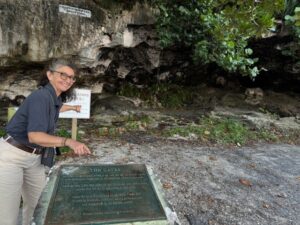

Success Story:
Never one to sit still, Dr. Theodora Pinou has been globe-trotting with the goal to document biodiversity and instill a love of STEM in students.
(click here to read article)
Biology is Alive
Biology Goes Climate
As a part of the WCSU community, you may enjoy a complimentary membership to BioCT.
Click the image below to Join a dynamic community of stakeholders committed to Connecticut’s bioscience industry.