
- This event has passed.
Civic Life in Hat City: Place-Based Approaches to Civic Engagement
CIVIC LIFE IN HAT CITY – PLACE-BASED APPROACHES TO CIVIC ENGAGEMENT: Please join us for a two-part workshop for faculty and students entitled “Civic Life in Hat City: Place-Based Approaches to Civic Engagement.” Supported with a grant from Project Pericles, these interactive workshops will explore how Danbury’s history as “Hat City” can be used to strengthen interdisciplinary, place-based civic learning at WCSU.
Together, we will examine labor, collective action, and environmental justice through local history and work collaboratively to imagine a flexible “Hatters” learning module that can be adapted across disciplines.
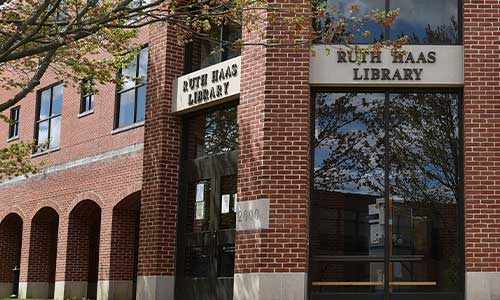
The workshops will be held on Tuesday, March 10, and Tuesday April 21, at 2 p.m. in Haas 508, the CELT Collaboration Space in the Ruth Haas Library on the Midtown campus. Snacks and coffee will be provided.
Faculty and students from all disciplines are welcome. No prior background in local history is required — just an interest in civic learning, experiential pedagogy, and interdisciplinary teaching.
Workshop One, March 10: This multidisciplinary workshop introduces faculty and selected students to civics education through Danbury’s history as the “Hat City.” We will begin with a candid SWOT analysis of interdisciplinary teaching and learning at WCSU, asking what an engaged, experiential, interdisciplinary curriculum could look like — particularly for first-year students — and what obstacles currently stand in the way. After establishing opportunities and challenges, we will explore the rise of the hatting industry, the development of labor unions, and the role of collective action in addressing economic and political conflict. Together, the sessions use local industrial history to examine democratic participation, power, and civic responsibility, and make a case for incorporating local history and community into the first-year experience.
Workshop Two, April 21: Building on the first workshop, this session examines the environmental and social consequences of Danbury’s hatting industry and their relevance for the community today. We begin by discussing industrial pollution, environmental degradation, and the ways marginalized communities have challenged ecological harm and advocated for more sustainable futures. We then shift to curriculum design, asking what a “Hatters” learning module might look like and how place-based lessons drawn from local history can be made accessible and meaningful for WCSU students. The workshop emphasizes translating historical insight and humanistic inquiry into civic learning, conflict resolution, and political efficacy.
Workshop outcomes:
1. Articulate a clear model for place-based civic education
2. Apply historical case studies to contemporary civic engagement
3. Produce draft curriculum materials grounded in our local context
4. Identify actionable strategies for interdisciplinary implementation at WCSU
Register to attend here