About
THE WESTSIDE NATURE PRESERVE CENTER
The Center encompasses a 33-acre tract of eastern deciduous forest and wetlands located on WCSU’s Westside Campus. The Westside Nature Preserve was established to protect a portion of the region’s diverse plant and animal life for future generations to enjoy. It also serves as an outdoor laboratory for different ecological studies and a valuable resource for both the University community and the broader public.
HISTORY
CT was inhabited by the Algonquian-speaking Pahquique (maybe realted to Paugussett people) that occupied lands along the Still River.
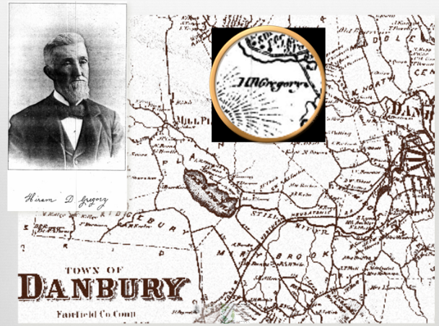
In 1685, five familes of English settlers purchased the land from the Pahquioque. One family was the Gregorys, the father Judah passed the house down through the generations which lasted for more than two centuries.
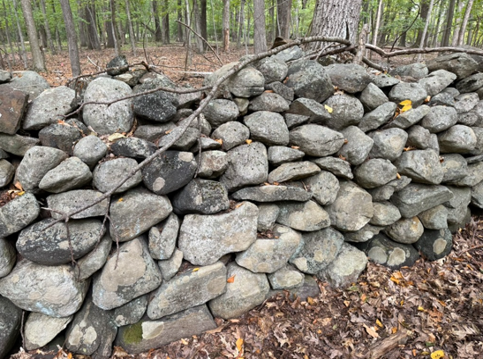
The stone walls found on the property were built from glacial erratic stones that had been eroded from the Green and White Mountains and carried to the north by ice sheets. When the glacial period ended and the ice melted, round stones dropped to the bedrock. After thousands of years the rocks were burried under soil and forested lands but were later unearthed by fatmers, clearing parts of the land for crops, hay, and pasturage. The stones were collected and piled along fence rows, sometimes used to keep grazing cattle from escaping as seen by the higher and more vertical shape of the walls. The configuration of the wall may indicate the type of field enclosed.
In the mid 19th century, horse-drawn farm machinery (ie. McCormick reaper) became available and the stone walls became a nuisance. This left farmers with field that were enclosed too small to use the machinery, so they either reburied the stones to create larger fields or they could sell the farms.
In fact, in the 1930s the Gregory family sold the property to a local businessman, named Previdi. His daughter attended WCSU, at that time called the Danbury State Teachers College. In the 1970s the Previdi family sold the property to the state of CT for the expansion of the college. From there stewards like WCSU Professor Fred Dye worked to preserve the land and promotes its value to the community. Now the preserve exists for everyone to enjoy!