Biodiversity
FUNGI
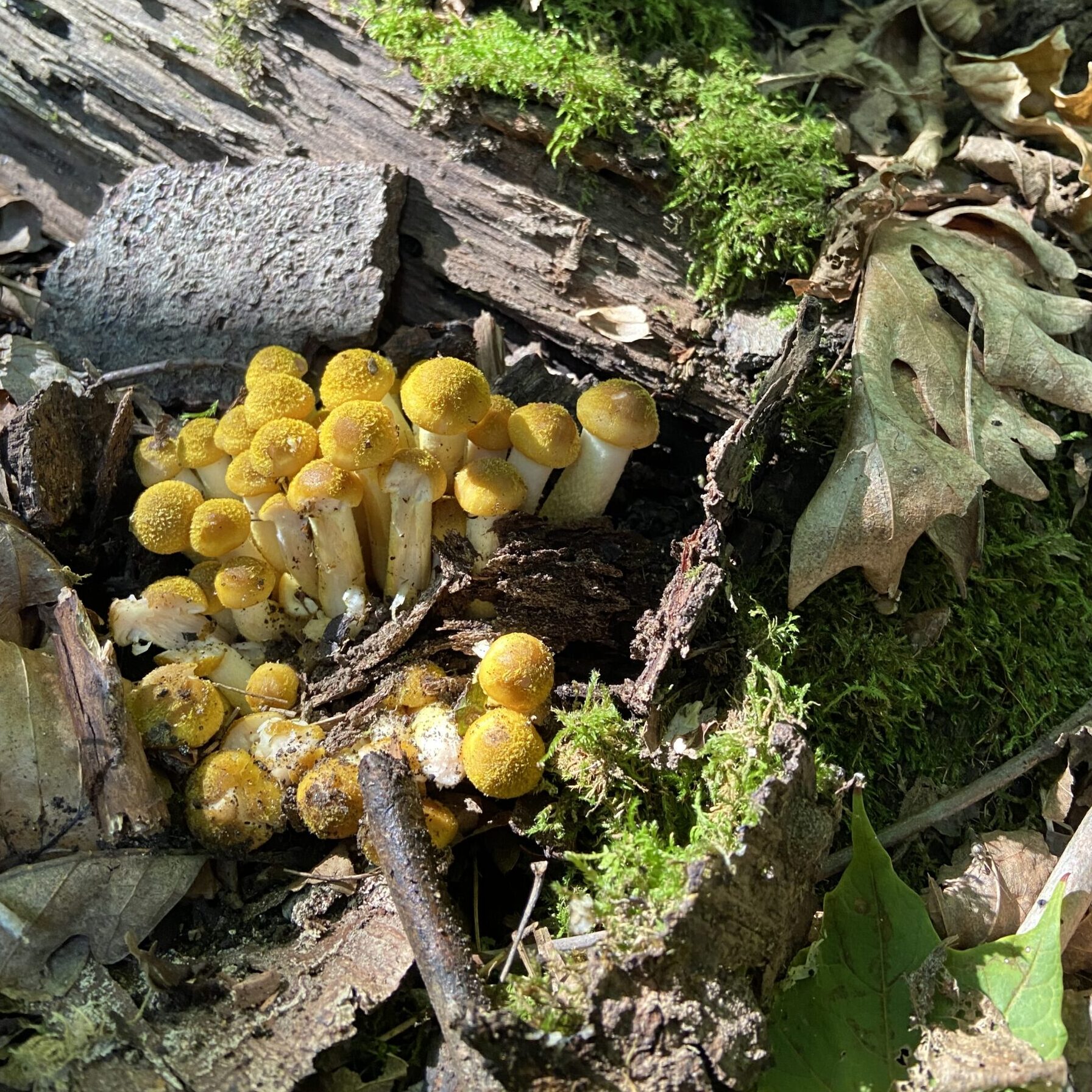
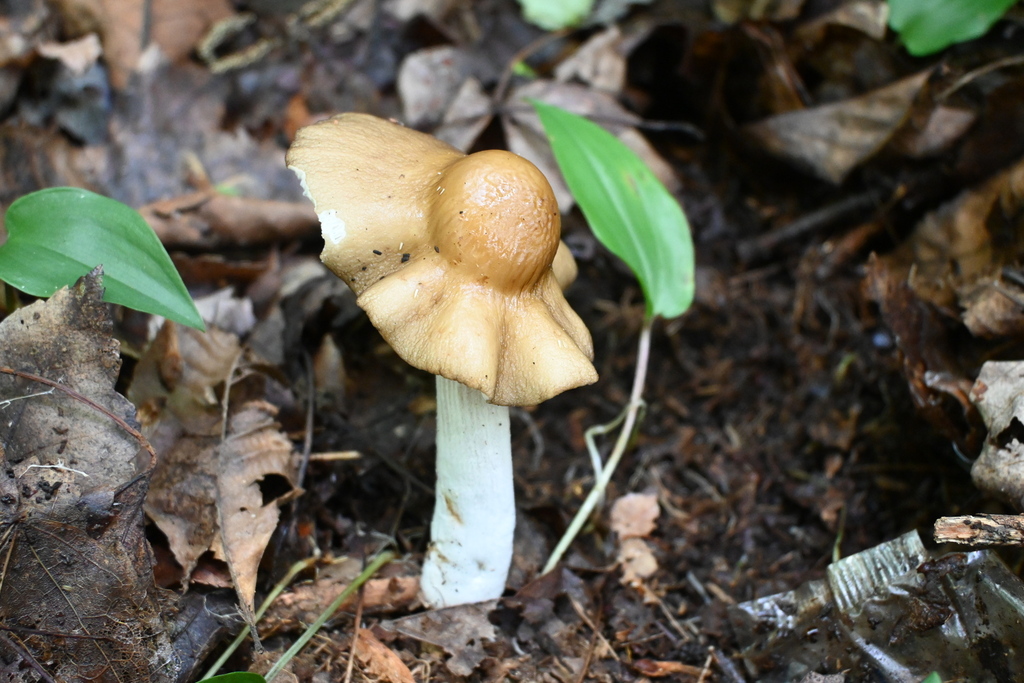
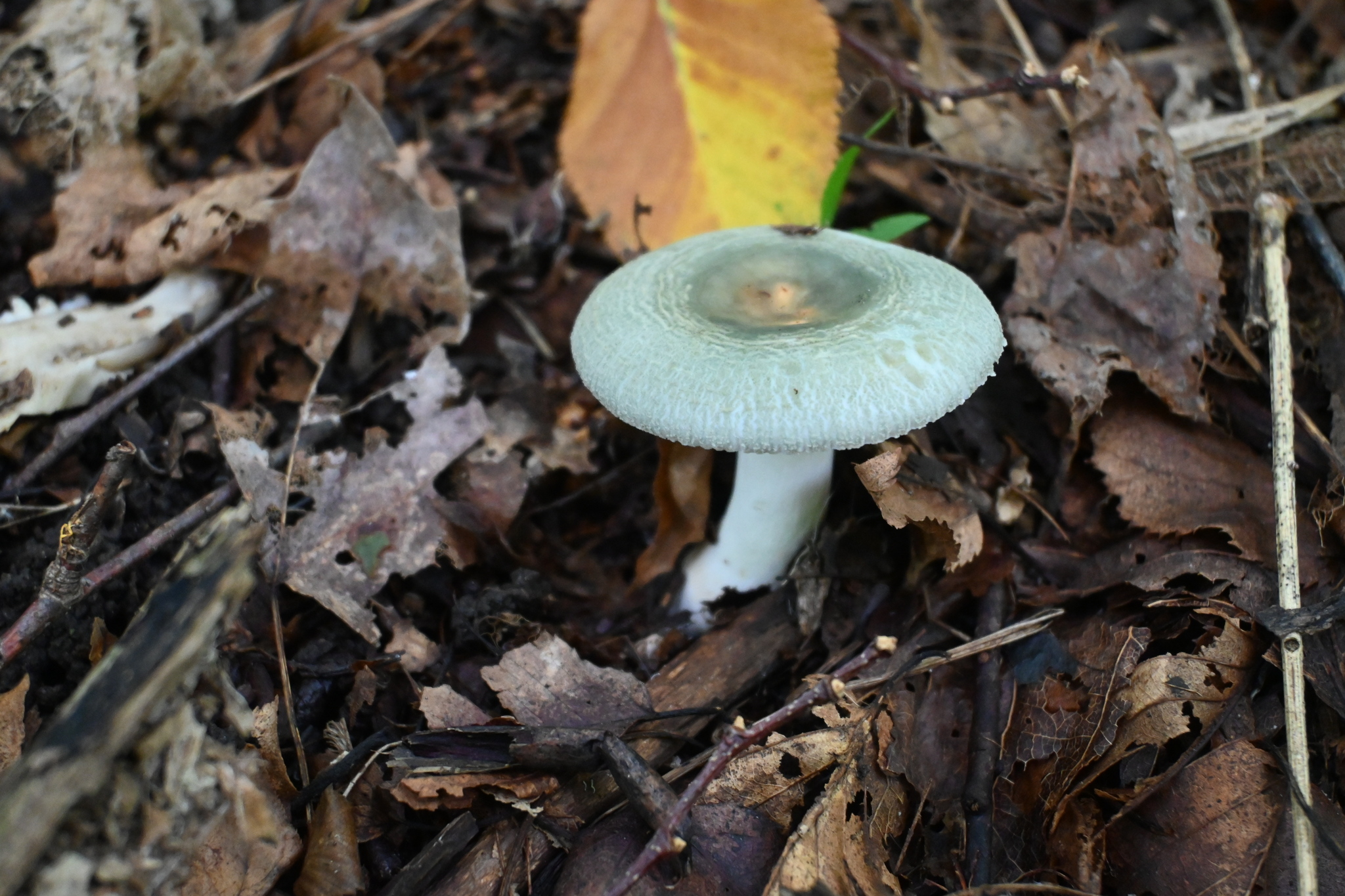
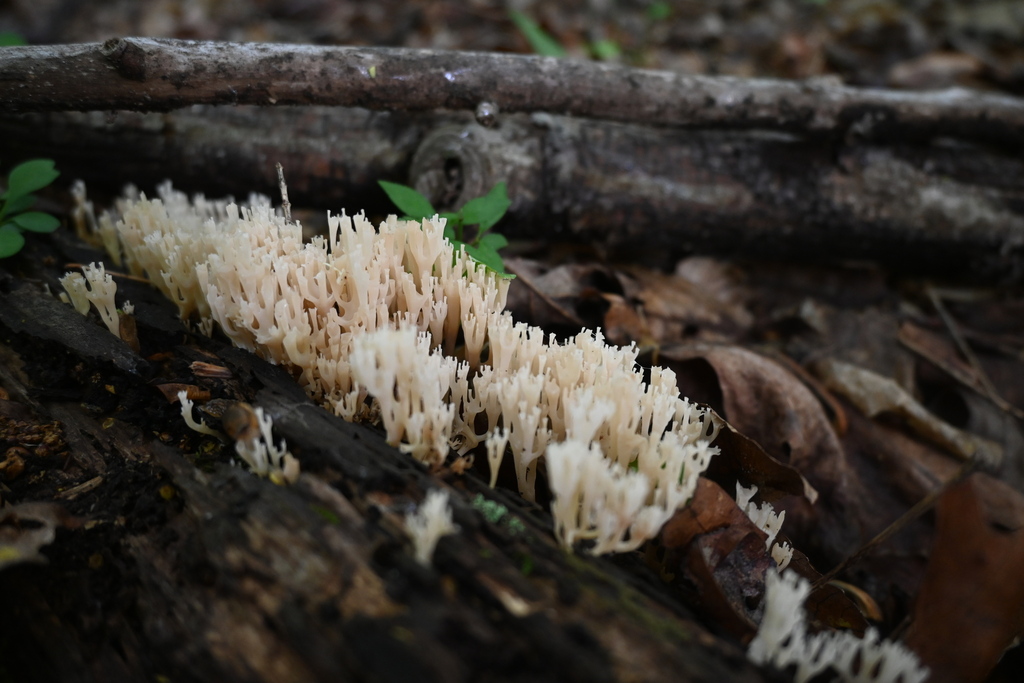
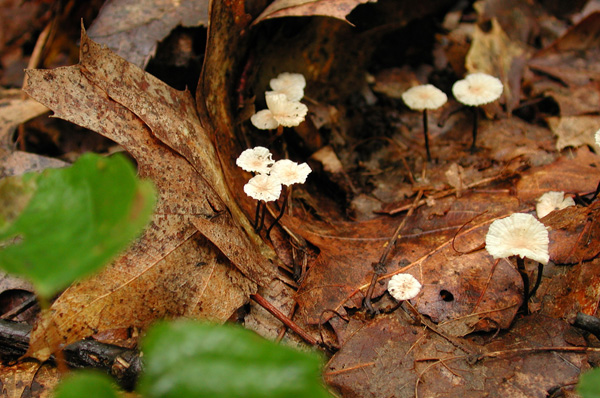
The fungus kingdom encompasses a vast diversity of organisms with differing ecologies and morphologies. Little is known about the true scale of fungal biodiversity but here at the WNP you can get a peek into the various species that make up the kingdom.
TREES
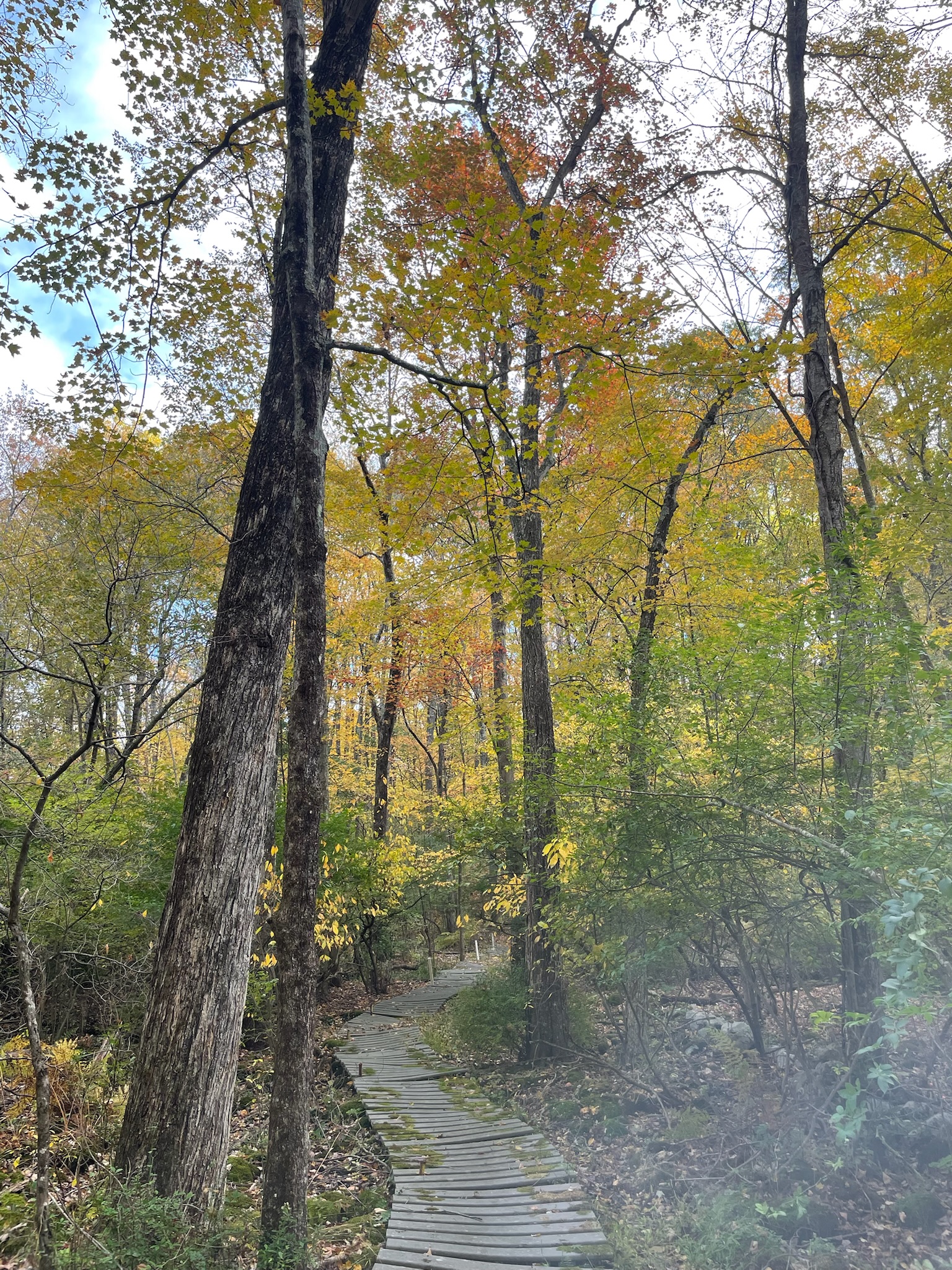
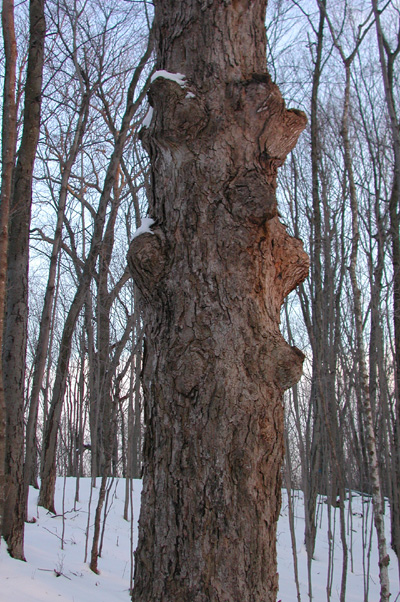
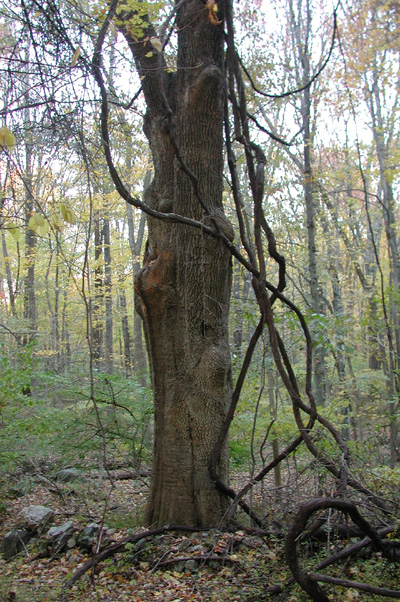
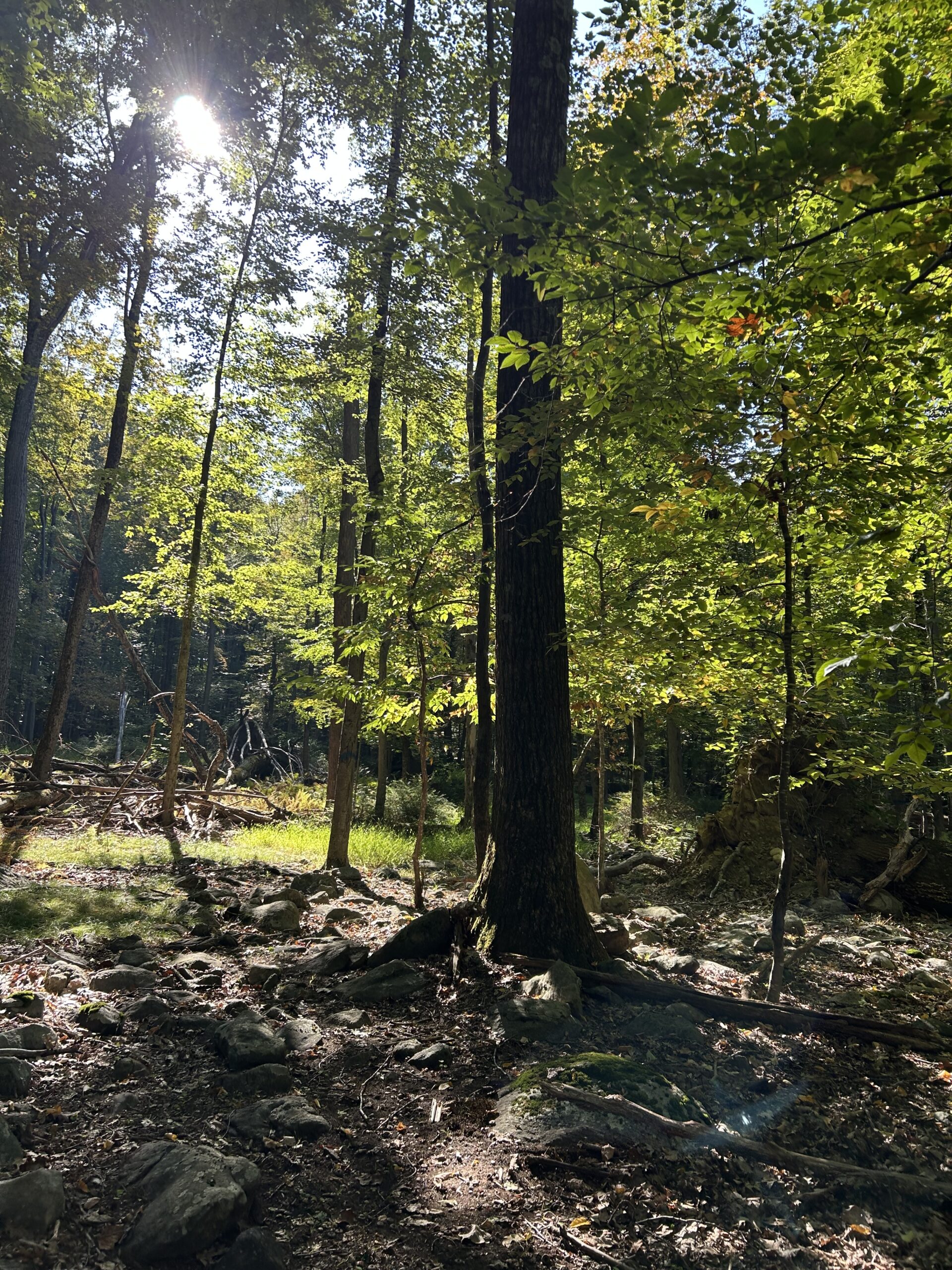
Before the chestnut blight, the American Chestnut was one of the most dominant trees in Connecticut’s forests. When the fungal disease first appeared in New York City in 1904, it spread rapidly, transforming the forest. Today, the forests have a very different assortment of species, now composed of Witch-hazels, White Oaks, Tulip Poplars, Red Oaks, Yellow Birches, and many other species that have taken the place of the once-abundant chestnut.

AMPHIBIANS
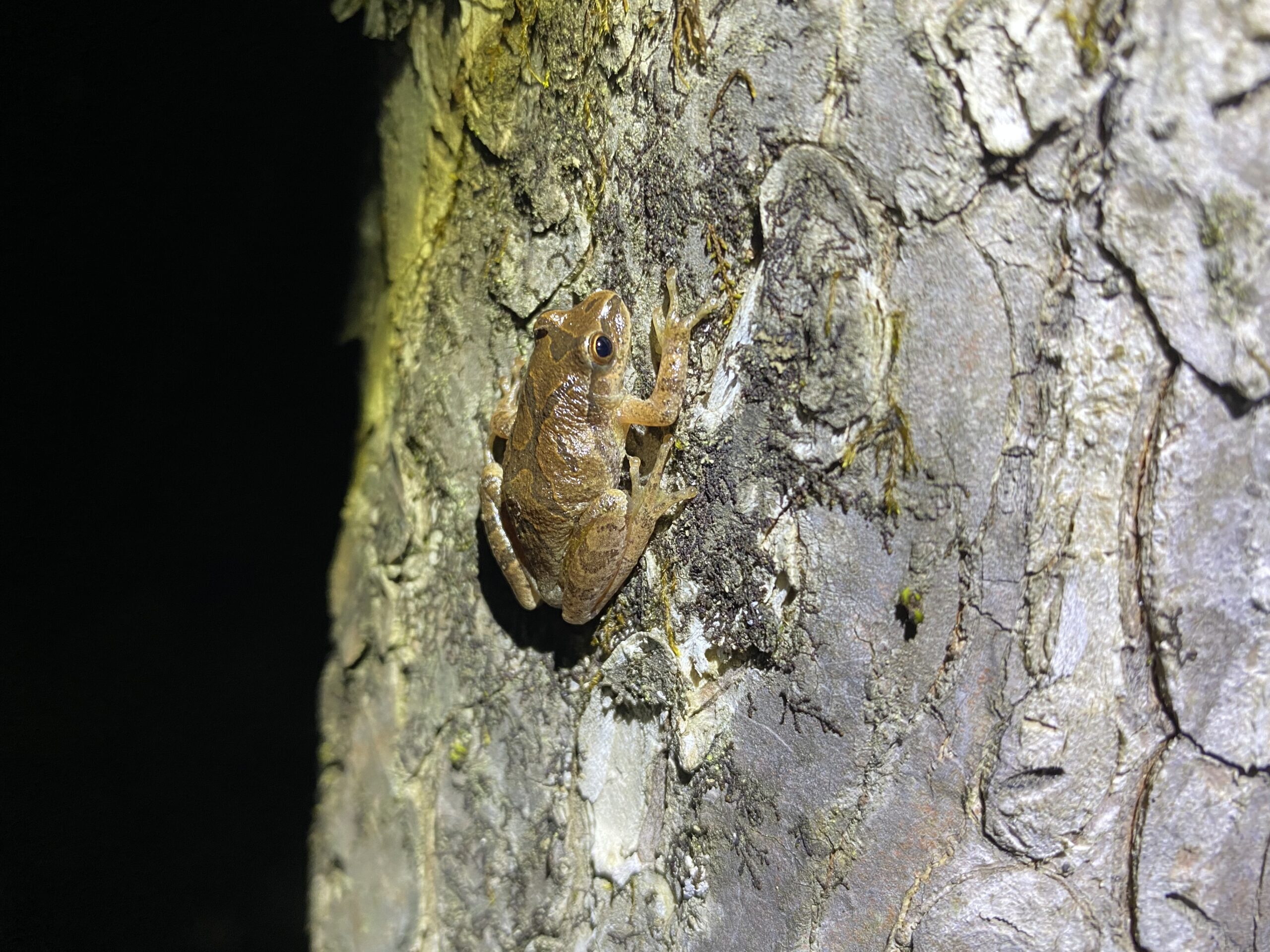
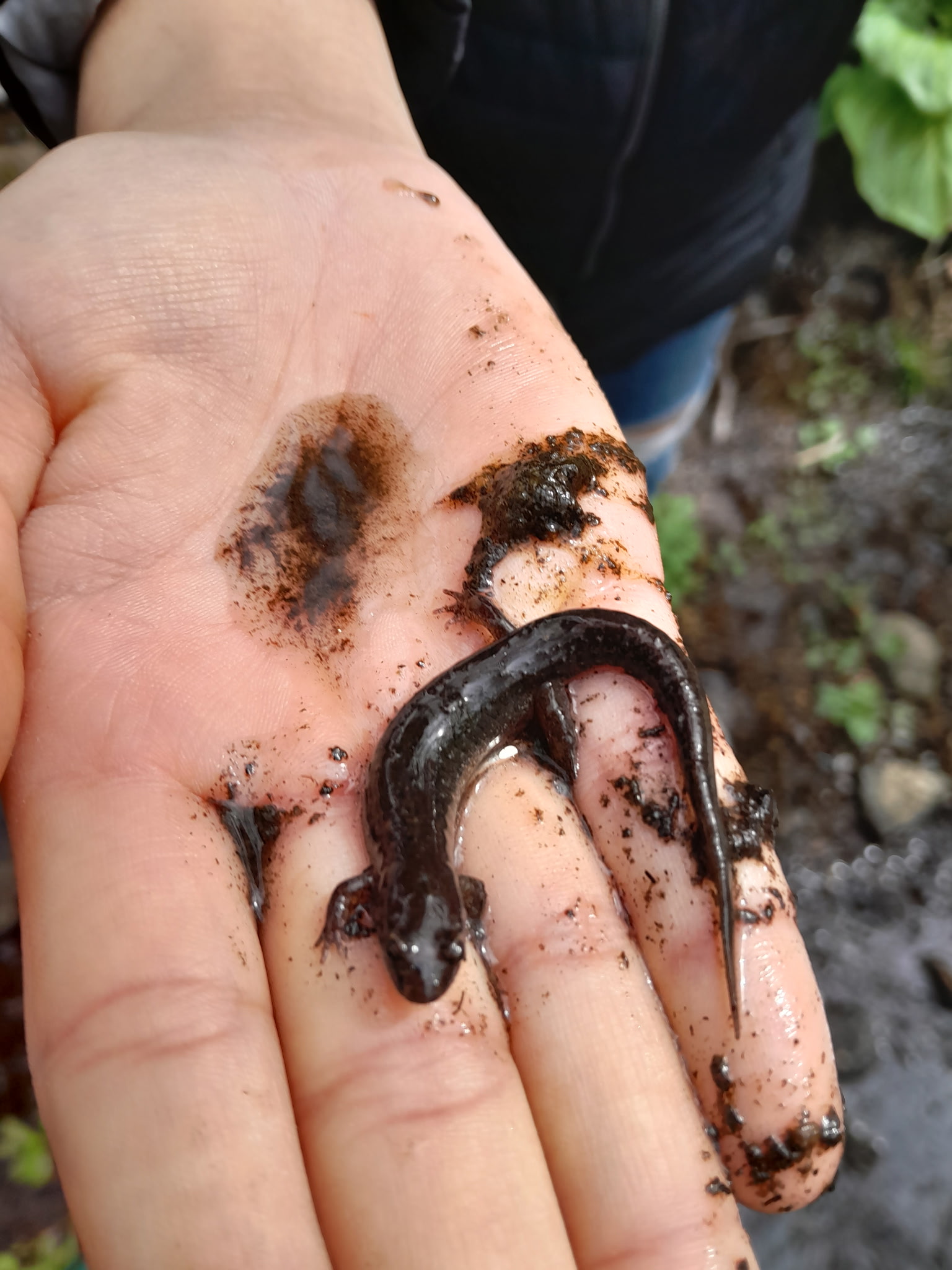
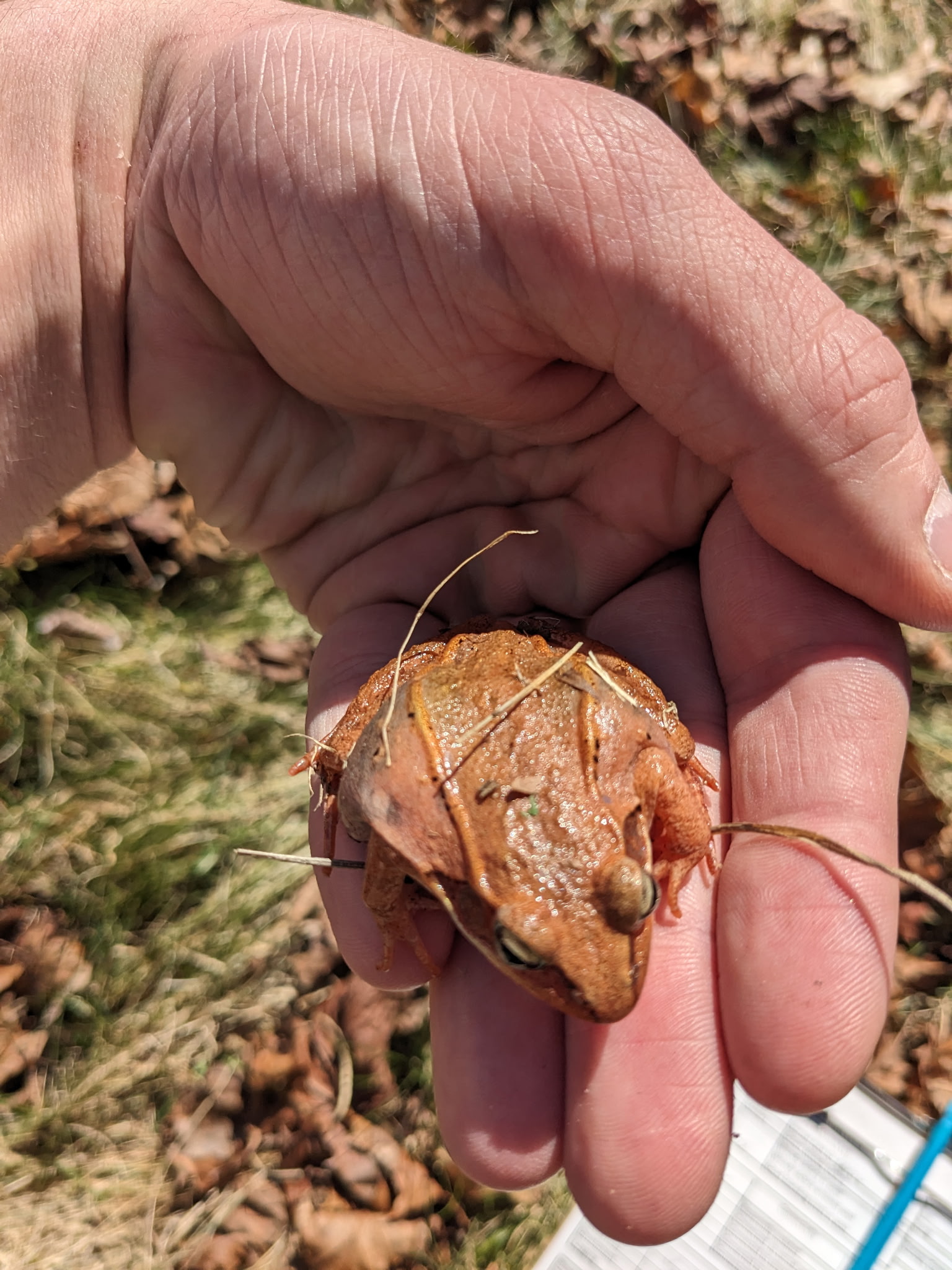
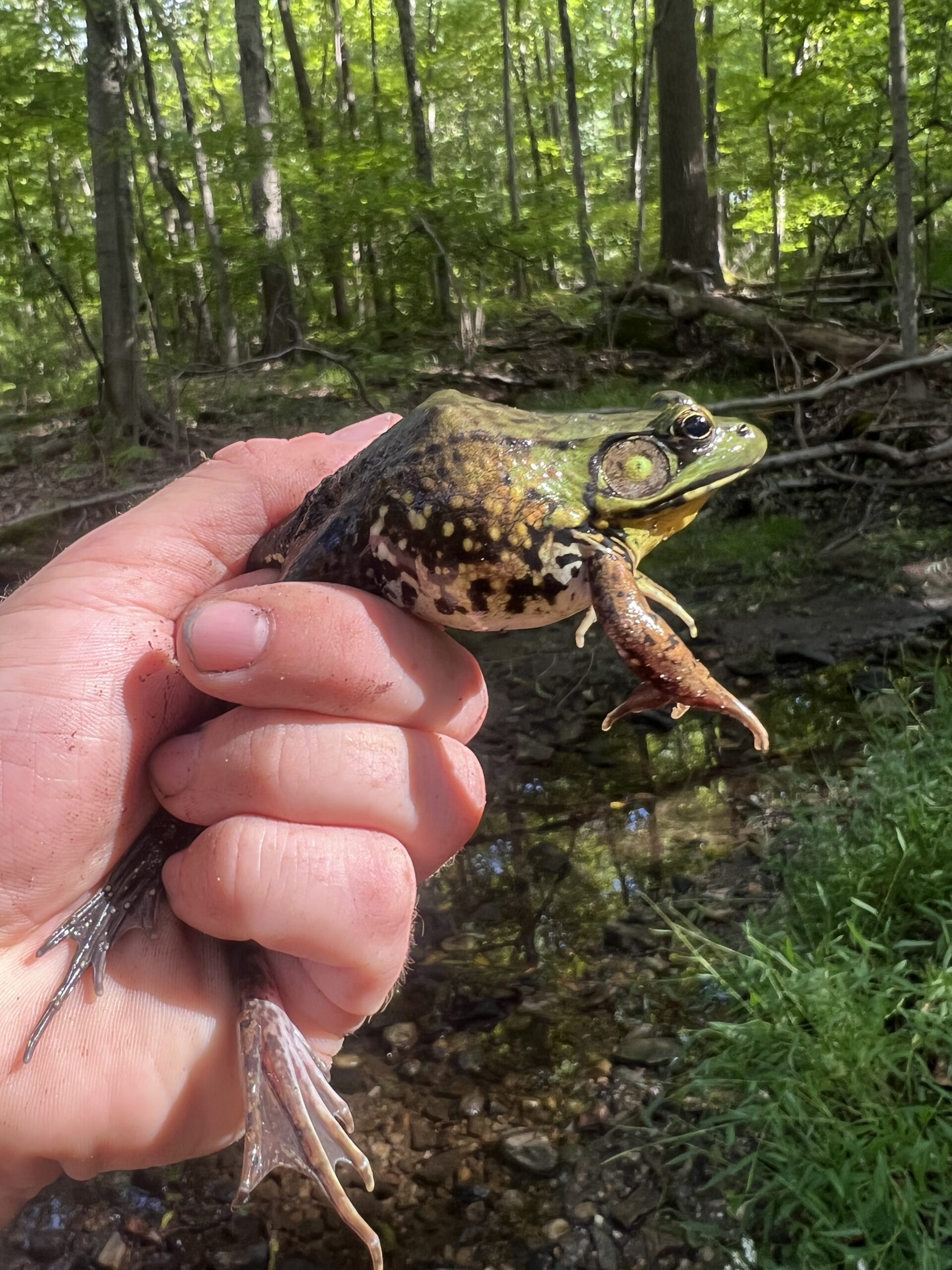
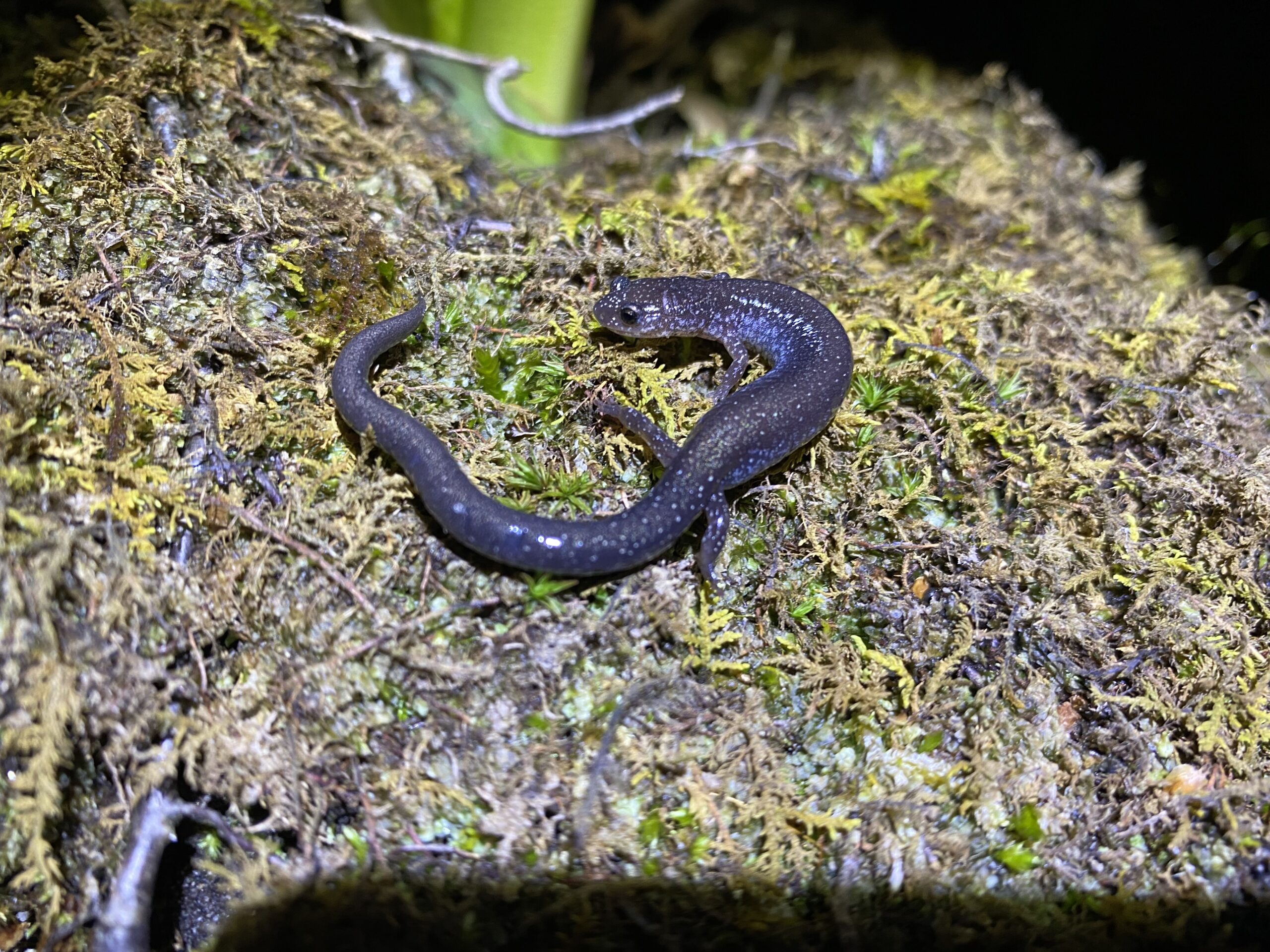
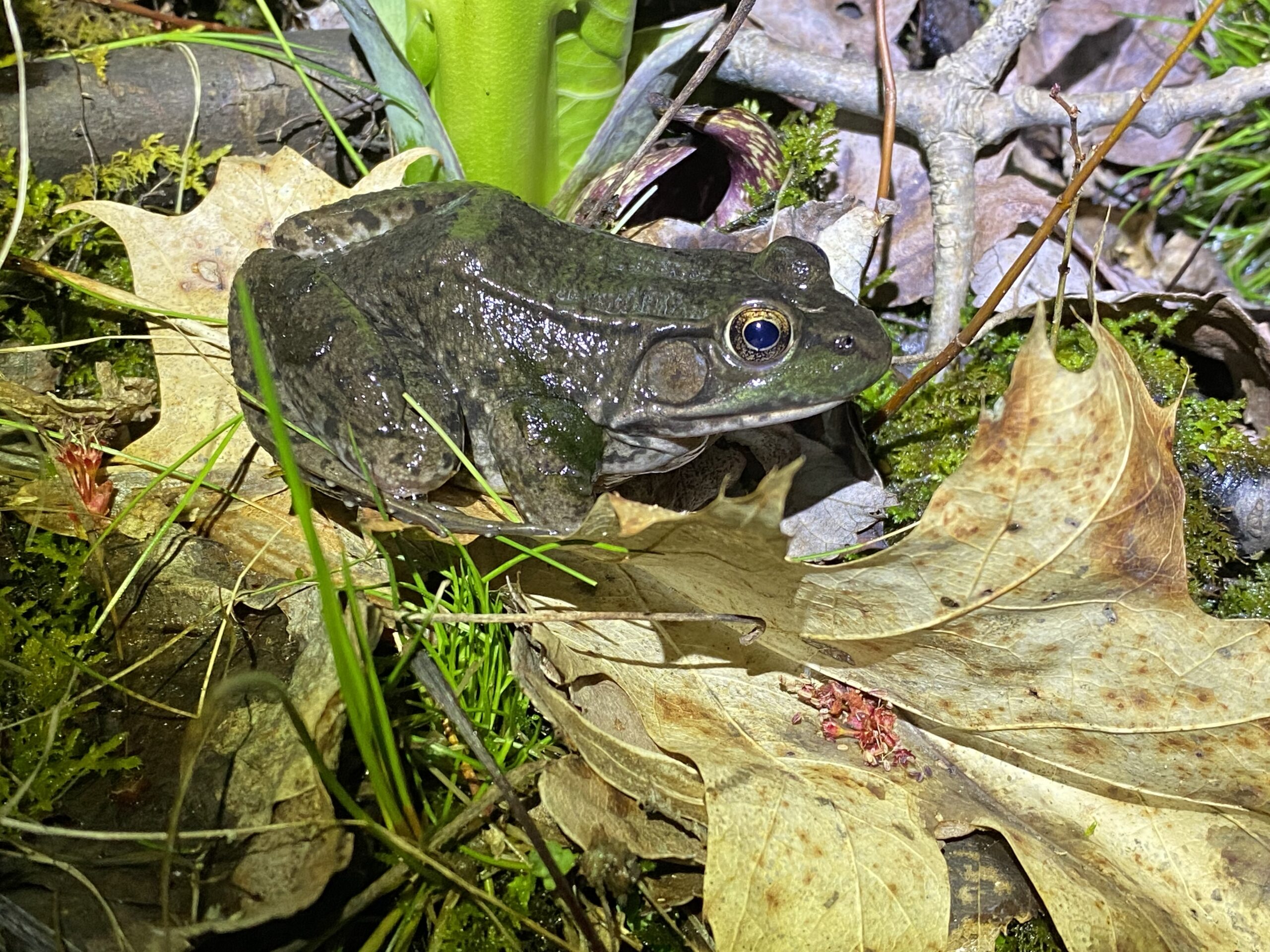
The WNP contains wetlands that are home to various species from the class of Amphibia. From late spring through the summer, you can hear the gray treefrog (Dryophytes versicolor) musical trill through the woods. If you can catch one, you can observe their vibrant yellow legs!
FLOWERING PLANTS
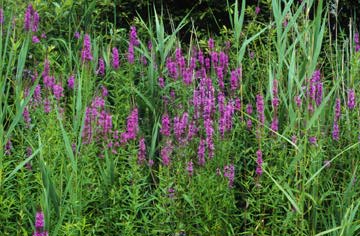
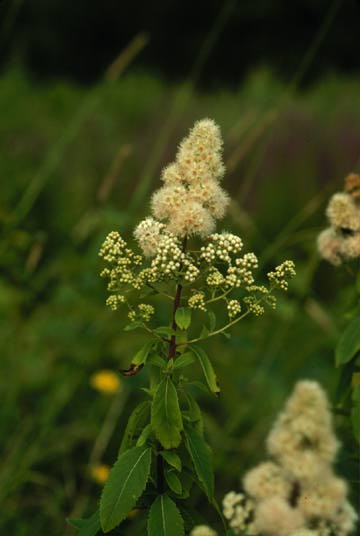
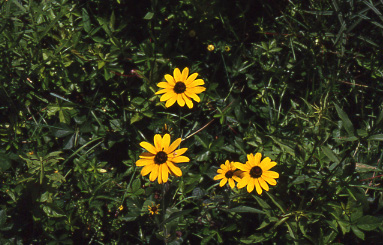
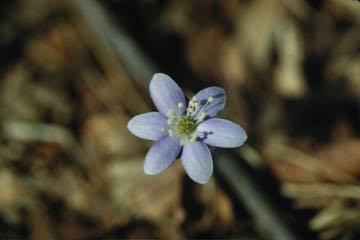
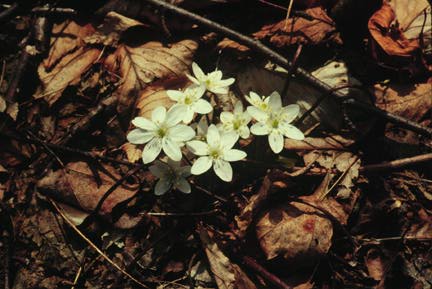
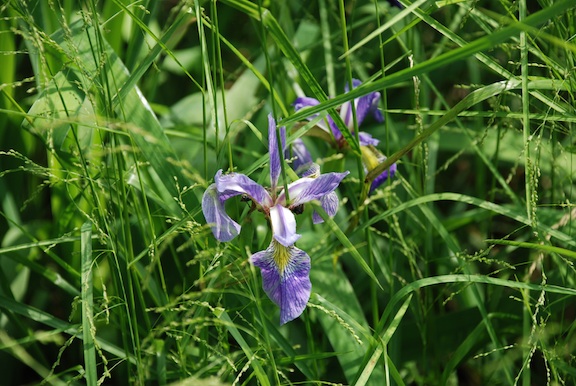
Trout lilies (Erythronium americanum), meadowsweets (Filipendula ulmaria), asters, purple-loosestrife (Lythrum salicaria), goldenrod (Solidago virgaurea) and many more flowering plants color the ground of the WNP. These species sustain many organisms within the preserve, as the nectar sustains migrating butterflies such as the monarchs, the pollen feeds native bee species, and the seeds feed the smaller mammals and birds. These flowering plants are much more than their physical adornment!